
What Are the 3 Biggest Challenges in B2B Sales in 2024?
B2B sales 2024: Discover the three biggest challenges of digital transformation - a complex sales process, understanding customer needs and integration of systems ✅
· 4 min read

There are many challenges when it comes to B2B sales. Here we have gathered the 3 biggest ones in 2024 – and how you can solve them.
When you have read the article, you will know about:
✅ The complexity of the B2B sales process
✅ Your customer’s needs are different in B2B.
✅ The importance of integration between systems.
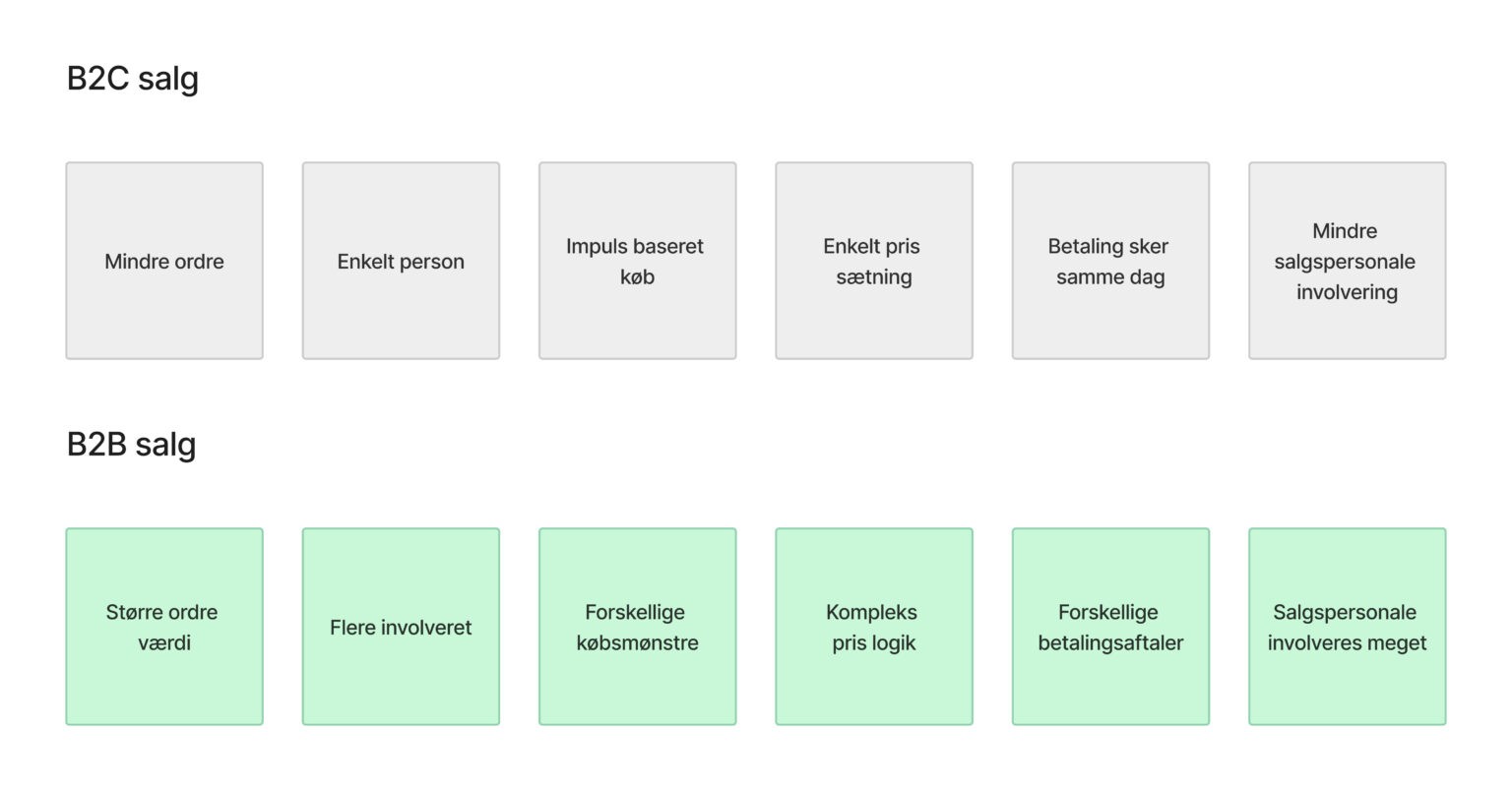
1. A complex sales process
With the enormous and interconnected global market, the complexity of the sales process in B2B has only grown greater and greater over the years. So quick, standardised transactions of the kind you know from B2C do not work.
This applies both to the complexity of your own product or service and to the longer, more convoluted decision-making process at your potential customer.
Everything takes longer, because a thorough analysis is typically needed before buying a product. And most companies want to negotiate their way to exactly the right price and a tailored solution that matches the specific need they have in their business.
Longer technical explanations
Your B2B product or service is probably relatively complex. So it may take several customer meetings before you have really explained how it can best help your potential customers. Demonstrations may even be needed, so the customer can see with their own eyes that your product can solve their specific problem.
All of that takes time. And on top of that, there is also a high probability that you will have to help with service and support AFTER you have sold your service or your product. Even though service and support come after the sale itself, they are still part of your sales process. Because you probably cannot sell your product without that part.
How can you make the process less complex?
- Understand the customer’s needs: Get a good understanding of the individual customer’s needs, so you waste neither your own nor the customer’s time, and come across as serious and professional.
- Clear communication: Be transparent with your customer and present your products in the most concrete and effective way.
- Readiness to adapt: Be prepared to change your products and your sales process in step with the customer’s needs or specific changes in the market.
2. Understanding the different customer needs in B2B
As we touched on earlier, it is essential that you have an understanding of the customer’s needs before the sale itself, so that you understand what value your product can create for that specific customer.
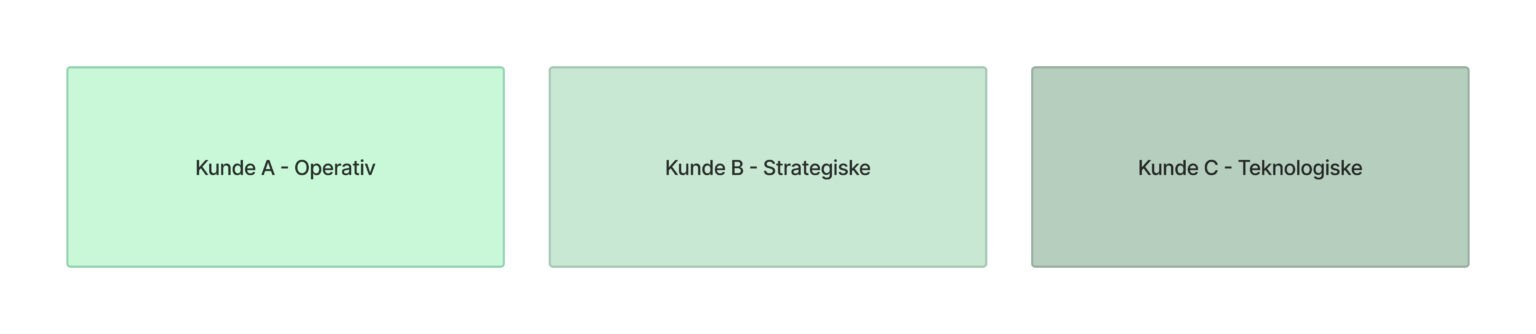
You can divide customer needs into 3 groups:
- Operational needs: This covers the customer’s daily operational requirements and challenges, which can be addressed through effective and practical solutions.
- Strategic needs: Understanding the customer’s long-term goals and strategies, which is crucial for offering solutions that support their overall business vision.
- Technological needs: In a time of rapid technological development, it is important to understand the customer’s technological requirements and offer solutions that integrate with and improve their current systems.
And to meet the 3 needs in the most effective way, you can:
- Carry out market research: Conduct in-depth market research to identify trends, challenges and opportunities within different customer segments.
- Engage in customer dialogue: Engage in direct dialogue with customers to gain insight into their specific needs and preferences.
- Adapt sales and marketing: Use the knowledge you gather to adapt sales and marketing strategies that precisely address the identified customer needs.
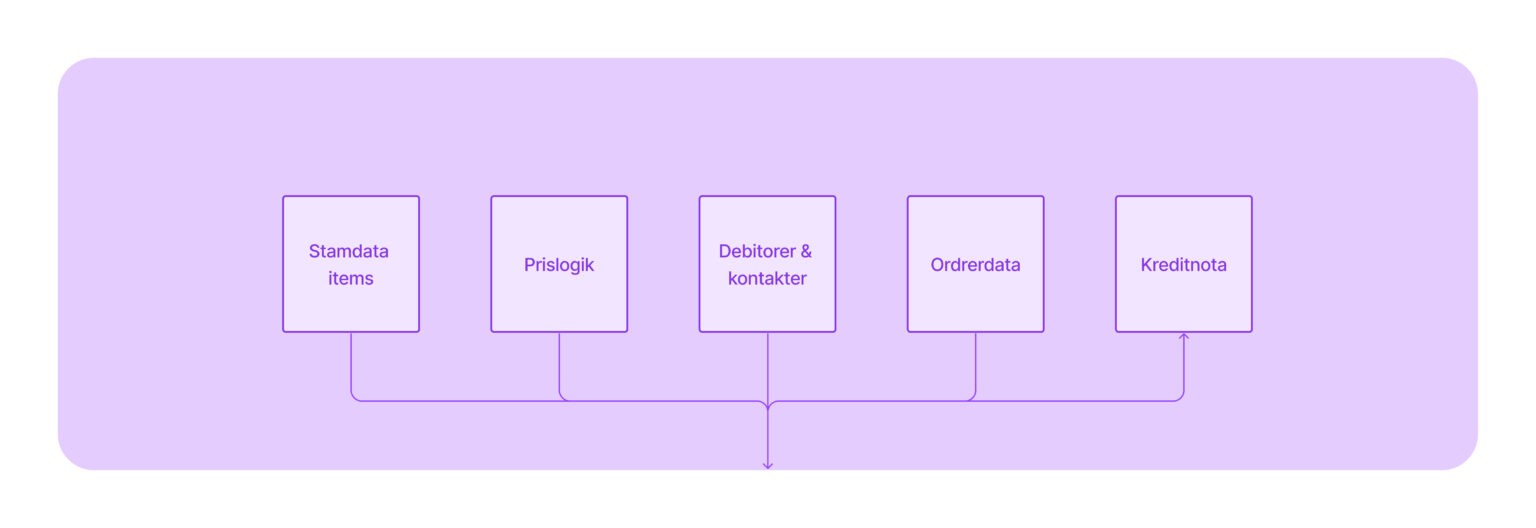
3. Integration of digital B2B systems
In the modern B2B world, integration of different business systems is not only a technological necessity, but also a strategic advantage. Integration ensures an efficient flow of data and process optimisation across different business functions.
But with system integration also come a number of challenges you need to deal with:
- Compatibility problems: Different systems, especially older legacy systems, can have problems with compatibility, which makes integration challenging.
- Data consistency and quality: Ensuring data consistency and quality across systems is a major challenge, especially when different systems have different data formats and standards.
- Security and GDPR: Ensuring data integrity and security during the integration is crucial, since systems often contain sensitive business information.
But do not worry. There are a number of strategies you can use to achieve effective system integration.
And here are 3 of them:
- Use of middleware and APIs: The use of middleware solutions and APIs (Application Programming Interfaces) can help overcome compatibility problems and ease data exchange between different systems.
- Standardisation of data: Establishing a standardised data structure and format across systems can improve data consistency and ease the integration.
- Choose integration-friendly systems: When buying new systems, it is important to choose solutions that are known for their integration capability and that support modern technological standards.
In addition, we are also looking into a near future (and present) in which automation, AI and cloud-based solutions help make system integration even more efficient and reduce manual errors.
Let’s dive a little deeper into the digital solutions, and how they can help you more specifically in your B2B sales.
Read on about your B2B tech stack:
Understand the 7 most important digital solutions if you want to boost your B2B sales in 2024